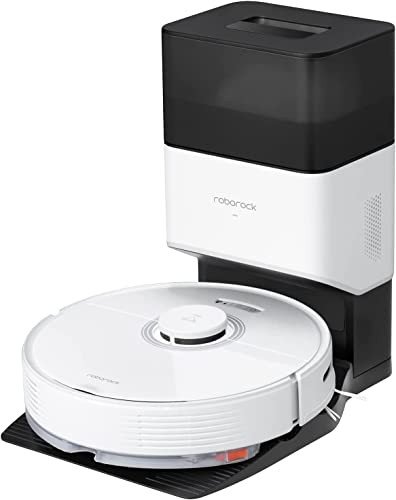
Robotic Hoovers: The Future of Home Cleaning
In recent years, robotic hoovers have actually rapidly acquired popularity as a convenient option for modern home cleaning. These autonomous devices offer efficient and uncomplicated cleaning options, enabling homeowners to preserve tidy home without the difficult effort generally related to vacuuming. This article looks into the functions of robotic hoovers, their advantages, and factors to consider for potential purchasers.
What is a Robotic Hoover?
Robotic hoovers, frequently known as robotic vacuum cleaners, are compact, automated gadgets developed to clean floorings with minimal human intervention. They use numerous innovations to browse around barriers, identify dirt, and adjust to various surface areas for optimum cleaning.
Key Components of Robotic Hoovers:
| Component | Description |
|---|---|
| Sensors | Help in finding obstacles and cliff edges |
| Brushes | Enable effective dust and debris elimination |
| Vacuum Mechanism | Suctions dirt into a collection chamber |
| Battery | Powers the unit for independent operation |
| Control Software | Makes it possible for navigation, scheduling, and cleaning mode modification |
How Do Robotic Hoovers Work?
Robotic hoovers work through a combination of sensors, cams, and artificial intelligence to navigate and tidy floorings. Here's a basic overview of their operation:
- Mapping and Navigation: Some advanced designs utilize LiDAR innovation or cams to create a map of the cleaning locations. Basic designs may operate using bump sensors, which activate actions upon contact with obstacles.
- Cleaning Patterns: Robotic hoovers often follow methodical cleaning patterns, such as zigzag or spiral, to ensure comprehensive protection. More sophisticated ones utilize algorithms to cover the whole location effectively.
- Dirt Detection: Many models are geared up with dirt detection technology that enables them to focus on especially unclean areas before carrying on.
- Automatic Recharge: When the battery is running low, robotic hoovers automatically go back to their docking stations to charge, guaranteeing they are always prepared for the next cleaning cycle.
Advantages of Robotic Hoovers
Enhanced convenience is a leading benefit of robotic hoovers, but there are various other advantages worth thinking about:
- Time-Saving: Users can set cleaning schedules and leave the device to do its work, enabling them to concentrate on other jobs.
- Consistent Cleaning: Robotic hoovers can preserve day-to-day or weekly cleaning routines, resulting in consistently cleaner floorings.
- Multi-Surface Cleaning: Many models are capable of cleaning a variety of surface areas, including wood, tile, and carpet.
- Compact Design: The small size of robotic hoovers allows them to access tight and hard-to-reach areas where standard vacuums may have a hard time.
- Smart Features: Many robotic hoovers are now suitable with wise home systems, allowing users to begin and control cleaning through smart device apps or voice commands.
Drawbacks of Robotic Hoovers
In spite of their various advantages, robotic hoovers also come with some drawbacks that potential buyers ought to keep in mind:
- Limited Suction Power: While they are effective for regular maintenance, they may not replace conventional vacuums for deep cleaning.
- Upkeep Requirements: Users require to regularly empty dust bins, tidy brushes, and alter filters to maintain ideal performance.
- Cost Point: High-quality robotic hoovers can be considerably more costly than basic vacuum cleaners.
- Dependence on Flat Surfaces: While innovative models can manage some challenges, steep shifts, extremely thick carpets, or cluttered spaces may posture obstacles.
Choosing the Right Robotic Hoover
When choosing a robotic hoover, possible purchasers must consider a number of crucial aspects:
- Cleaning Needs: Consider the kinds of surface areas and the level of particles present in the home.
- Battery Life: Longer battery life permits more extensive cleaning sessions.
- Navigation System: Opt for designs with innovative mapping capabilities if your home is big or complex.
- Smart Features: Determine if integration with clever home gadgets is a top priority.
- Budget: Assess the balance in between wanted functions and cost.
Popular Features to Look For:
- Self-emptying Dock: Some designs use self-emptying dust bins, reducing maintenance efforts.
- Virtual Barriers: This feature can keep the vacuum out of particular areas such as pet bowls or playing areas.
- Mop Functionality: Certain robotic hoovers can also mop floors in addition to vacuuming, supplying much deeper cleaning.
Frequently asked question Section
Q1: Do robotic hoovers work on carpets?
Yes, a lot of robotic hoovers are developed to clean up a range of surface areas, including carpets. Nevertheless, robot vacuum UK may vary based on the specific design and kind of carpet.
Q2: How regularly should I run my robotic hoover?
It is advised to run the robotic hoover at least once a week for optimum home cleanliness. However, many users find value in daily cleaning.
Q3: Can I manage my robotic hoover remotely?
Lots of modern-day robotic hoovers included accompanying smart device apps that enable users to set up cleansings, track the vacuum's location, and manage its operations remotely.
Q4: What maintenance does a robotic hoover need?
Regular maintenance consists of emptying the dustbin, cleaning brushes, and changing filters as required-- typically every 6 to 12 months.
Q5: Are robotic hoovers safe for animals?
Yes, many robotic hoovers are safe for animals, but it's important to ensure they do not get stuck or tangled in the device.
Robotic hoovers represent a substantial development in home cleaning technology. While automatic vacuum cleaner and mop may not completely replace standard vacuum cleaners, their convenience and efficiency make them an appealing alternative for hectic families. By comprehending their performance, benefits, and potential drawbacks, consumers can make informed decisions when choosing a robotic hoover to boost their home cleaning routines.